
Galápagos in Fall: What the Garúa Season Brings
Galápagos in Fall: What the Garúa Season Brings
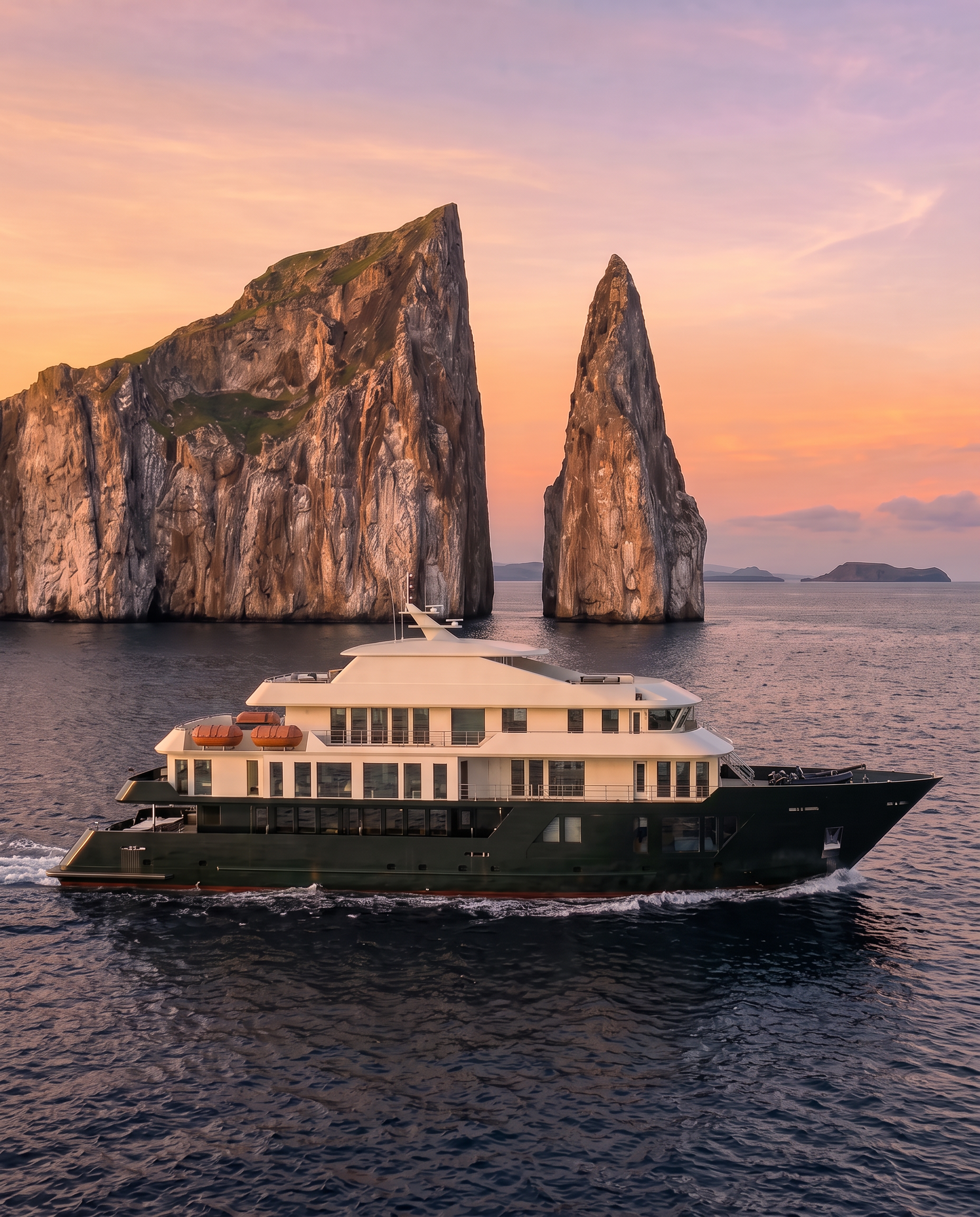
Our first Field Notes will be written on Anamara's decks. Until then, here is what fall brings to these islands, as Anakata's founding family has come to know them over more than 40 years in Galápagos, on land and at sea.
Cool water, full seas
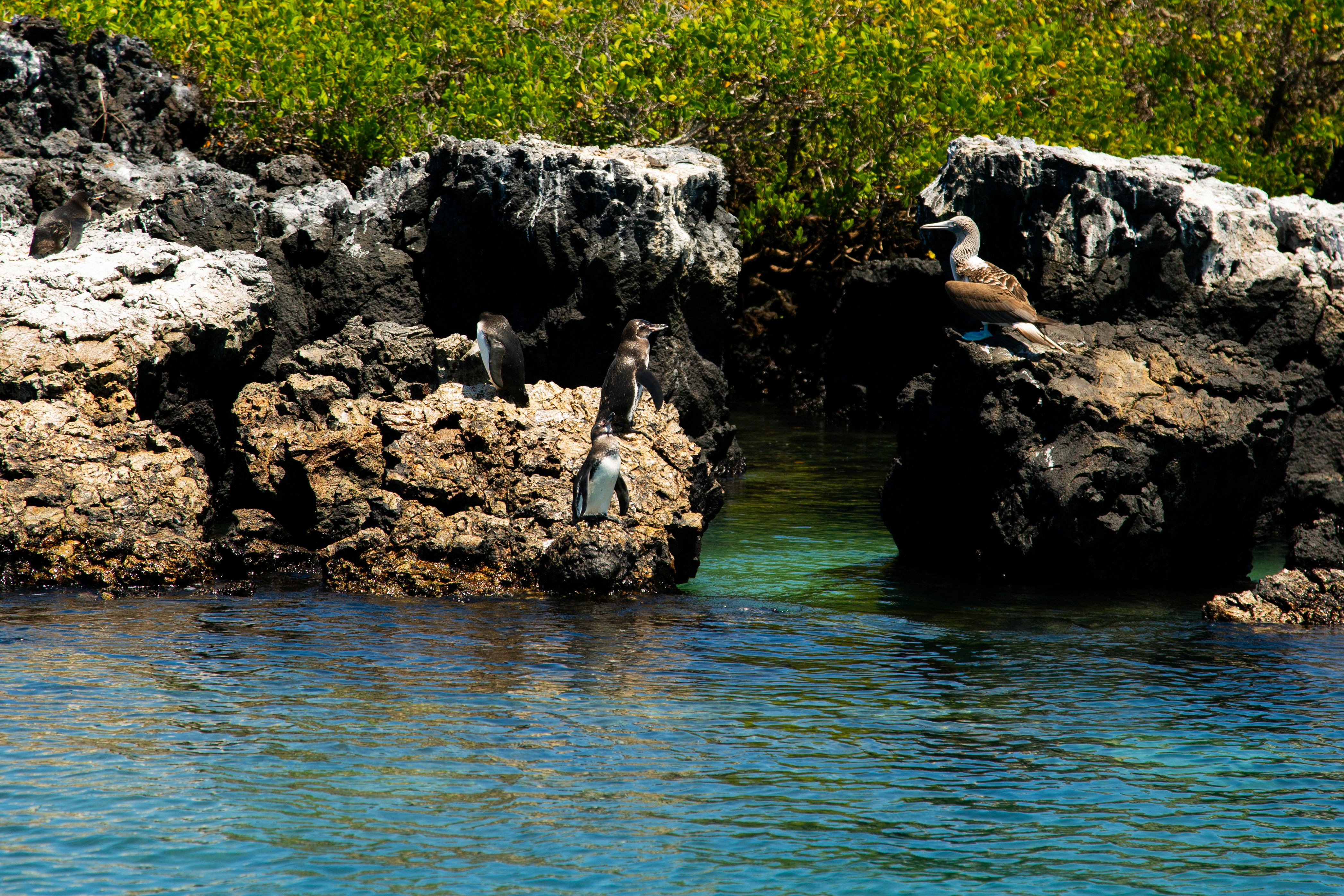
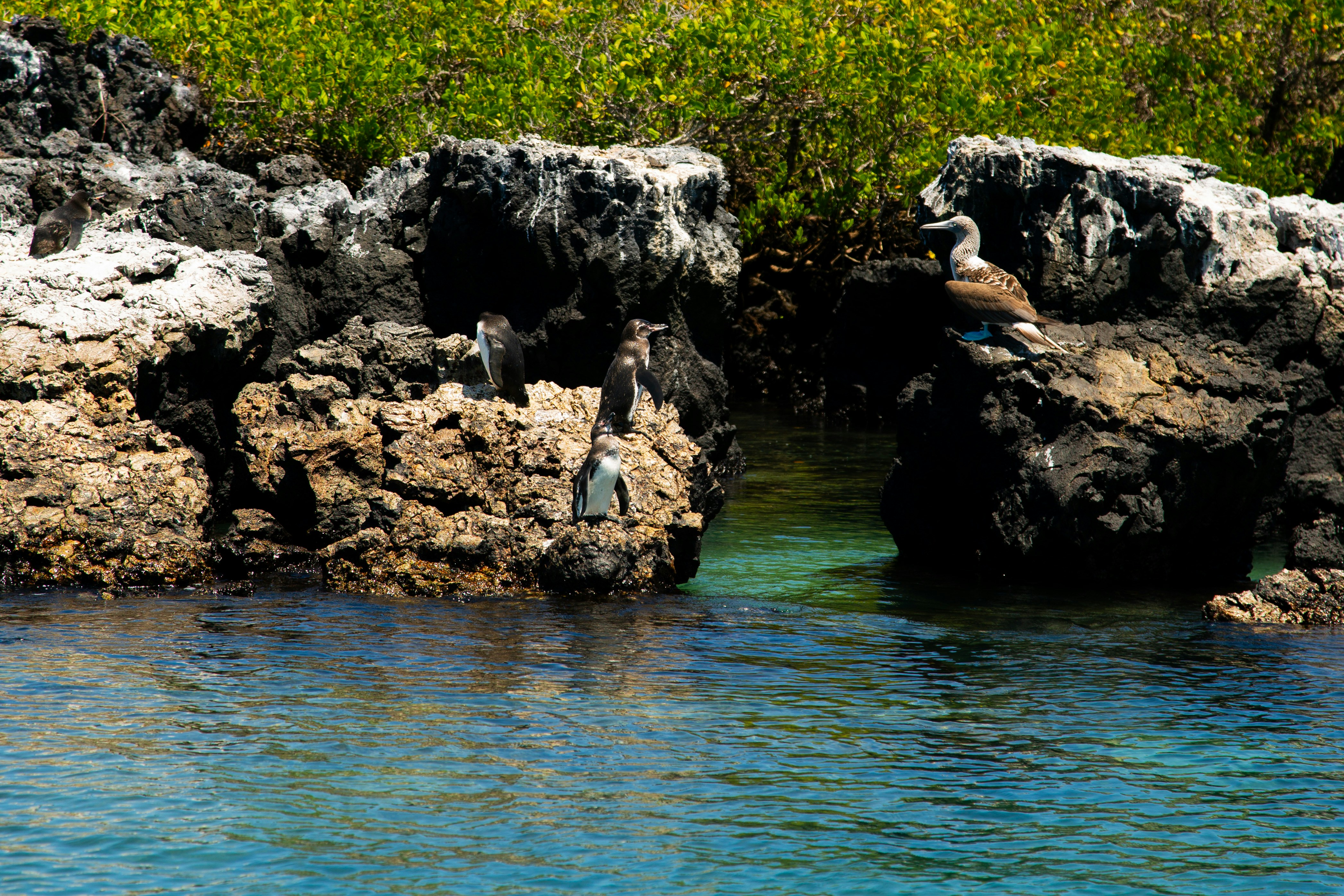
From June to November, the islands sit in the garúa season. A soft mist settles over the highlands most mornings and the water runs cool. That cold water is rich in nutrients, and it feeds everything above it. Fish school thicker, Galápagos penguins hunt along rocky shores from east to west, and the sea feels crowded with life. Wetsuits are provided on board.
A season of young life
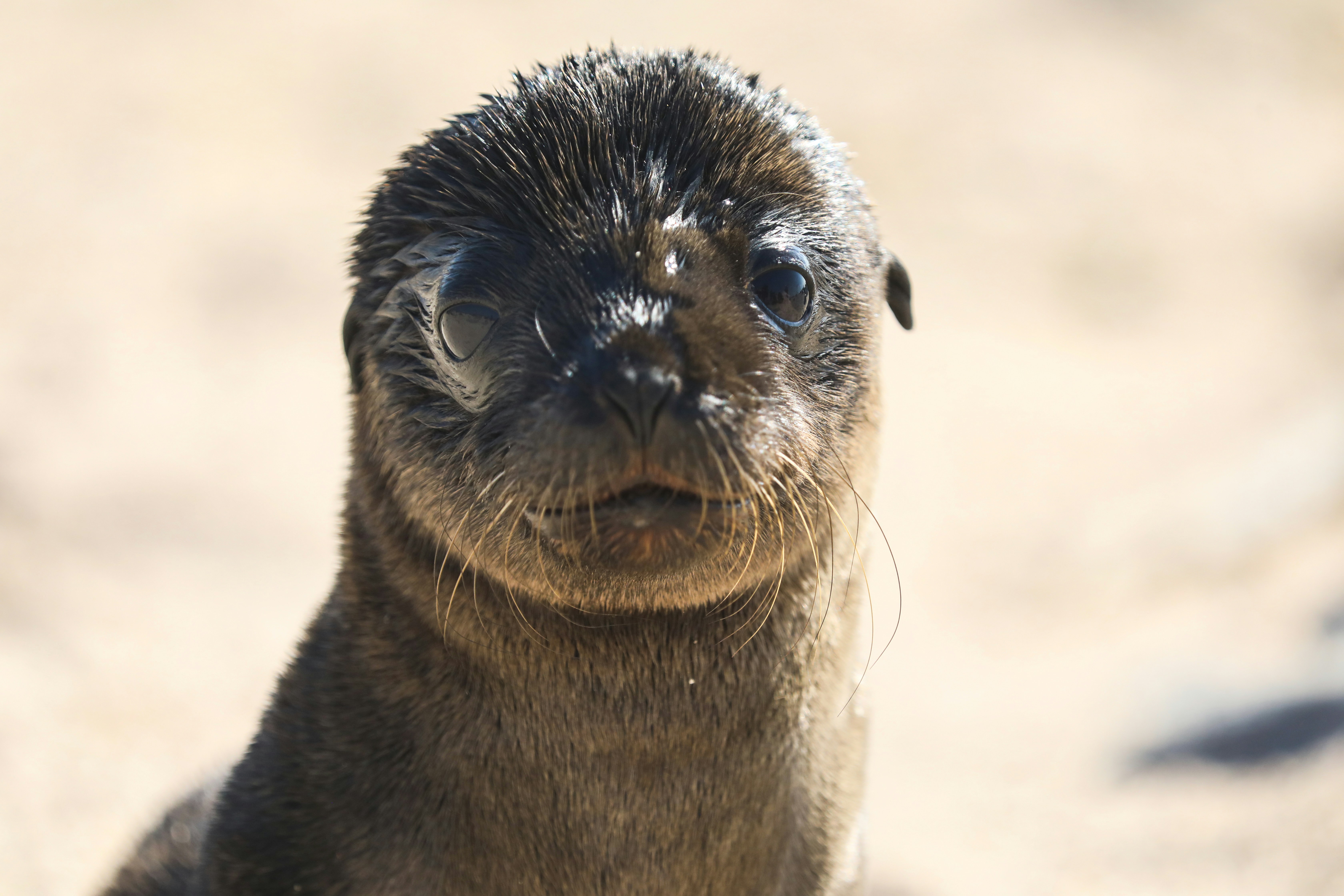
October and November are nursery months. Blue-footed boobies raise their chicks along the cliffs, and Galápagos fur seals begin their mating season. Sea lion pups, born from August, are three or four months old by November and curious enough to swim circles around snorkelers.
On Española, the only place on Earth where waved albatross nest, chicks grow toward full size before the colony leaves for the open ocean around the turn of the year.
A season in transition
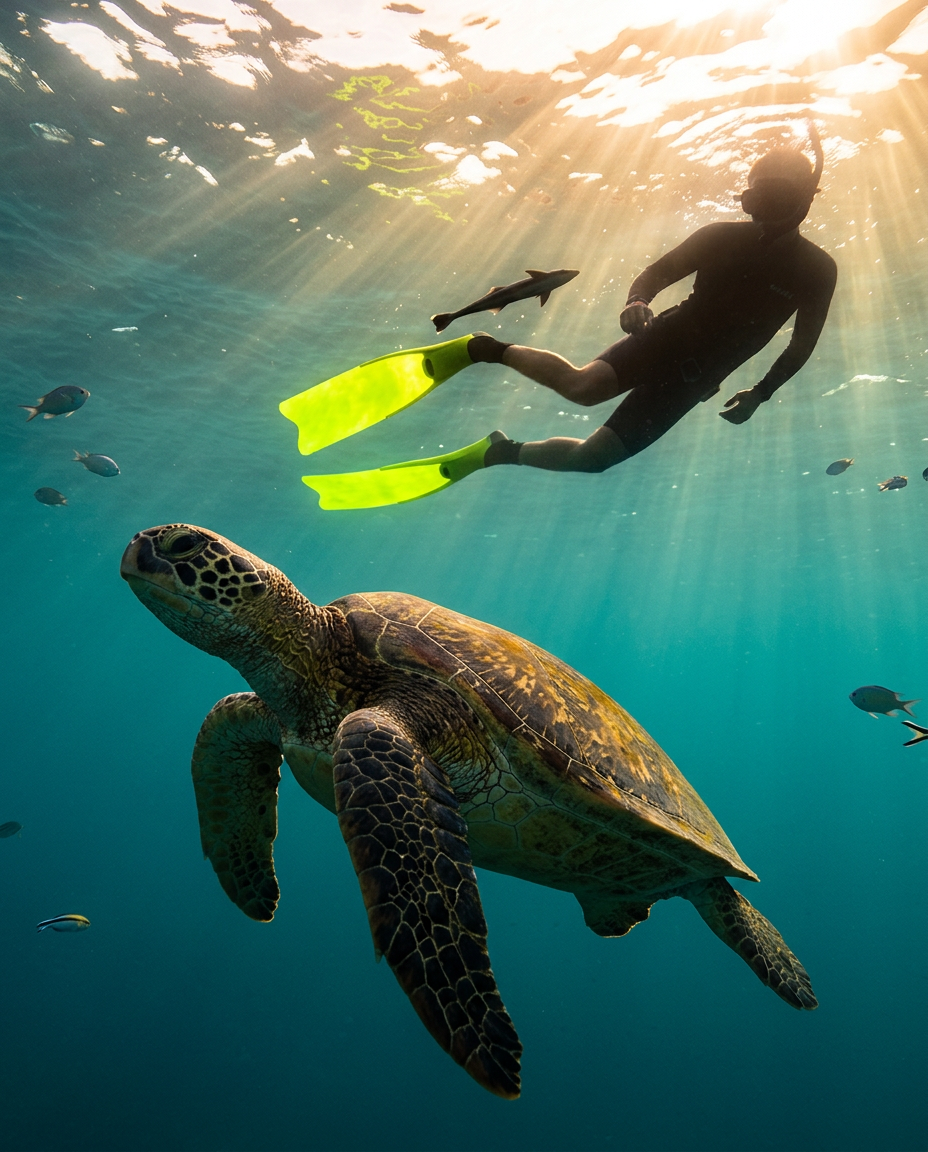
Late fall is the hinge between the cool and warm seasons. Trade winds ease, seas calm and visibility for snorkeling often improves. The water begins to warm, and the islands prepare for a new cycle.
What our guides watch for
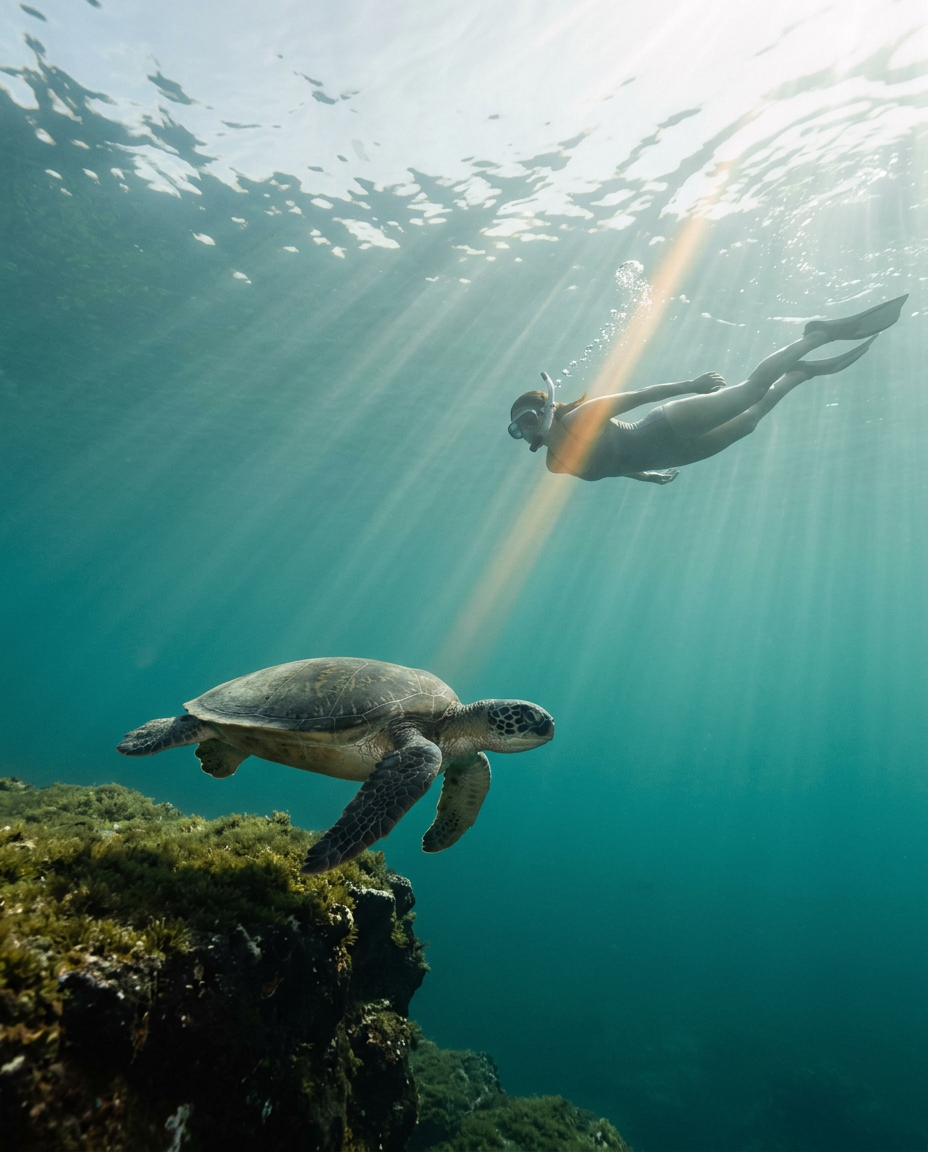
No two weeks are the same. With one naturalist for every six guests, there is time to watch closely: a pup testing the water, a booby parent returning with fish, a sea turtle rising slowly to breathe. The calendar suggests. The islands decide.
Anamara sails year-round, and every season tells its own story. Her first chapter begins in fall.
See fall in Galápagos aboard Anamara's inaugural season. Plan Your Expedition →