
The Ecosystem Sets the Terms: Galápagos National Park Rules and How We Travel
The Ecosystem Sets the Terms: Galápagos National Park Rules and How We Travel
In Galápagos, the islands write the rules. Since 1959, about 97% of the archipelago's land has been protected as Galápagos National Park. Every voyage aboard Anamara starts from that fact.
The rules, and why they work
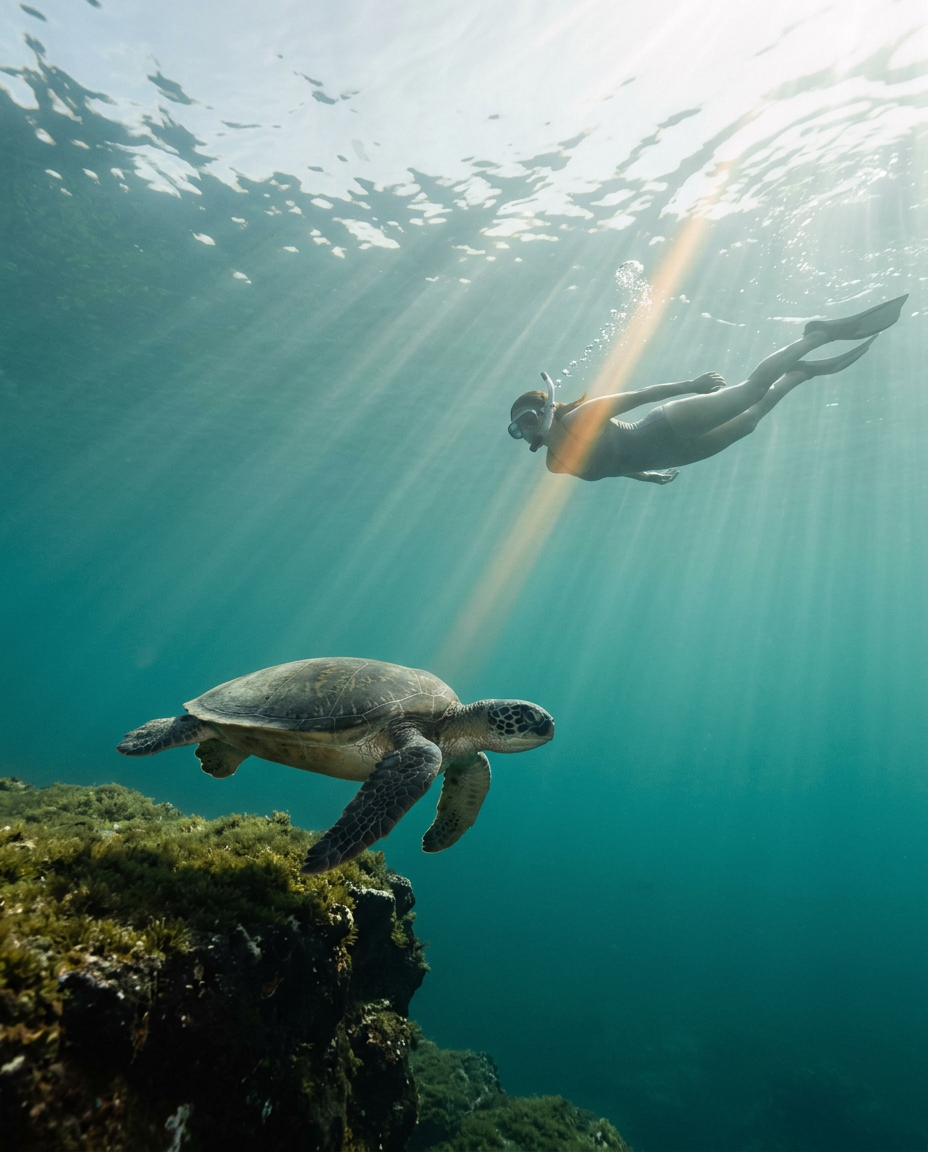
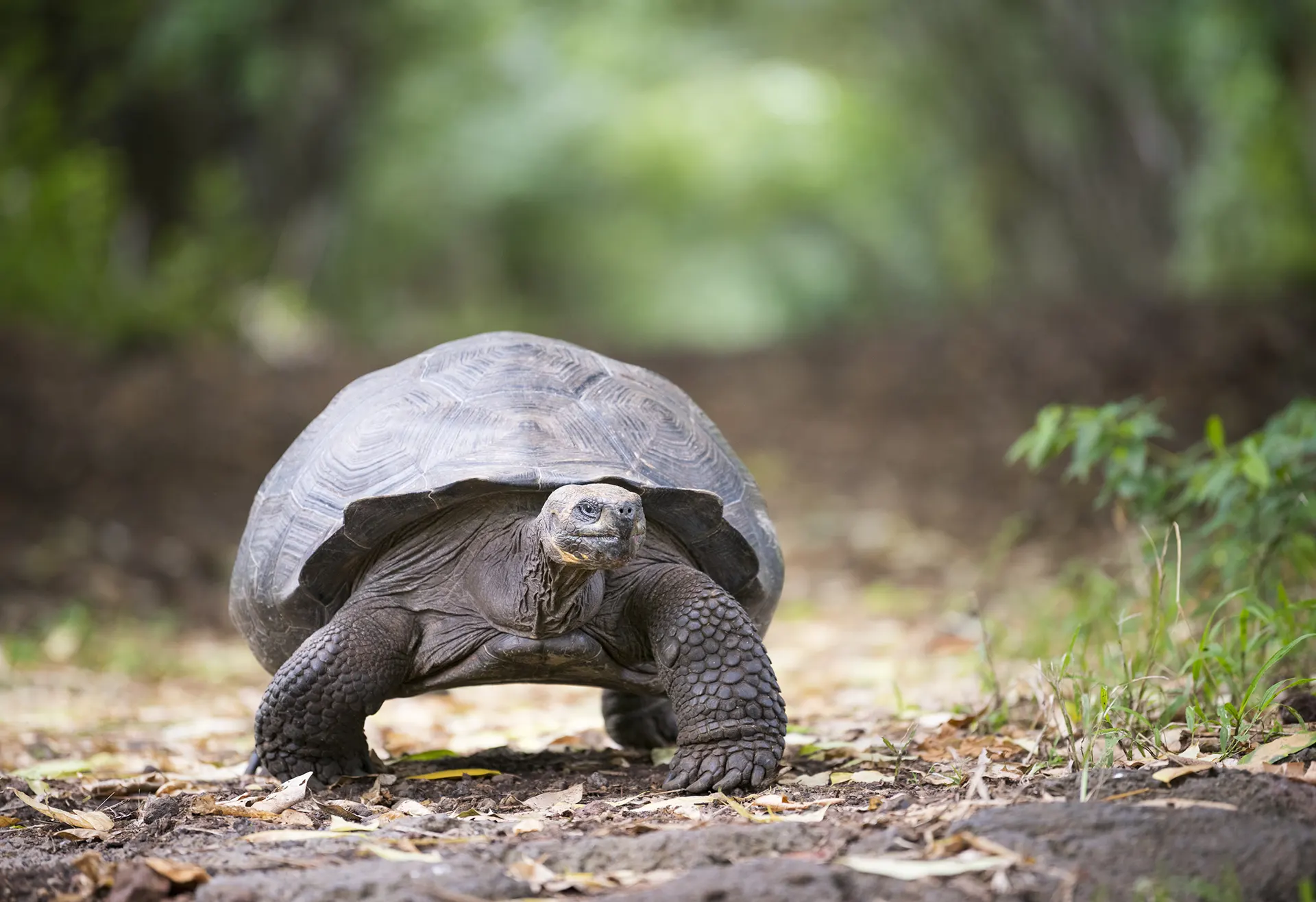
The Galápagos National Park rules are simple. Visit protected areas only with a park-licensed naturalist guide. Stay on marked trails. Keep at least two meters from wildlife, however close it comes. Never feed or touch an animal, never use a flash, and take nothing home but photographs.
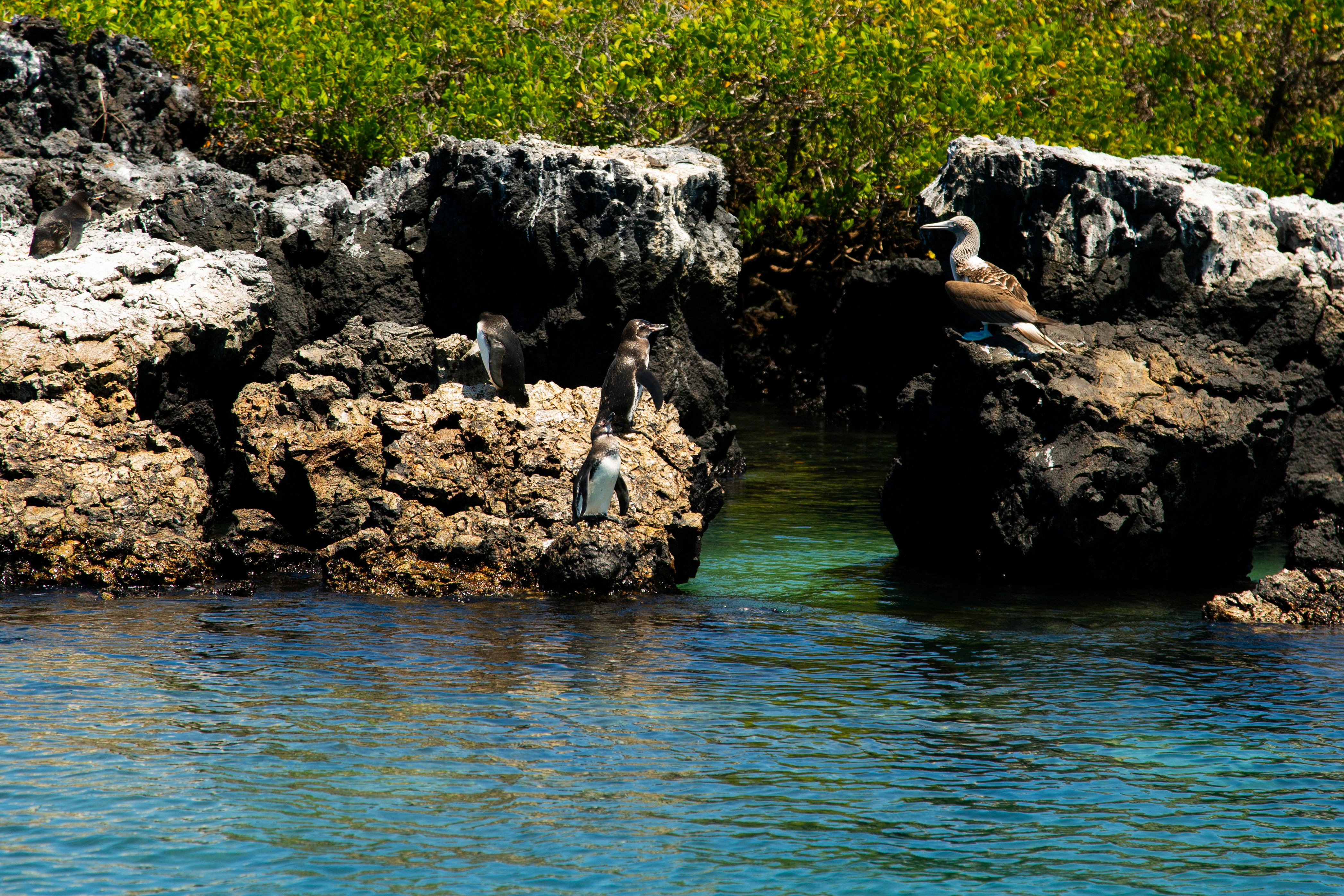
These rules are why a sea lion may still choose to nap a few steps from the trail. Animals here have little reason to fear people. We keep our distance, and every visitor helps keep it that way.
Itineraries the park assigns
The park decides which visitor sites each yacht may land on, and when. That spreads boats across the islands and gives each site time to rest. We see it as a feature, not a limit: a planned rhythm that keeps landings quiet.
One guide for every six guests
The park allows up to sixteen guests per guide. Anamara sails with one naturalist for every six. With fewer people around each guide, there is room for every question, time to watch without hurry and space for each guest to find their own moment.
Respect, learned over time
The Dunn family has worked in Galápagos for more than 40 years, long enough to learn the difference between visiting a place and respecting it.
The most important work in Galápagos is done by people who live here, year-round, long after the last ship has left. So rather than build our own programs, Anakata chose to back Ecuadorian organizations with deep roots in the islands. Together with Fundación Jocotoco, Anakata created the Anakata Galápagos Conservation Fund. It will support conservation on the ground, from Jocotoco's Los Petreles reserve on San Cristóbal to projects with the Galápagos National Park, and scholarships for young islanders through ECOS. From our first season, Anakata will contribute to the fund every year, and guests who want to leave their own mark will be able to contribute too.
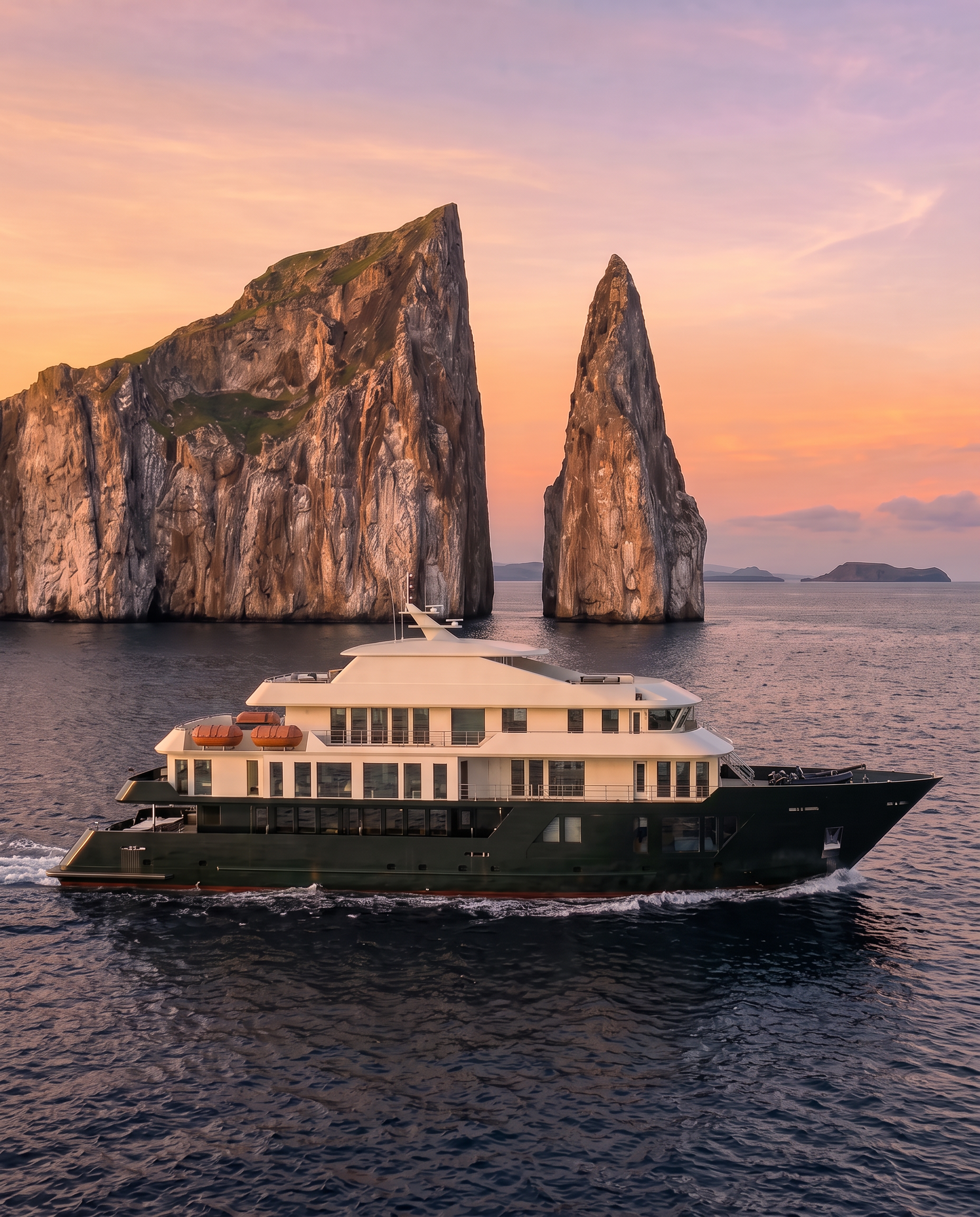
On board, Anamara will produce her own fresh water, treat her wastewater and sail without single-use plastics, with fifty solar panels lighting her social decks at night.
Sustainable Galápagos travel is not a label we add. It is the condition for being here at all. Explore Sustainability →
Travel Galápagos on its own terms aboard Anamara's inaugural season. Plan Your Expedition →